Shoes
Cork footbeds, memory foam and wet feet
We build footbeds out of cork and memory foam across our footwear range. The two materials handle water, drying cycles and the shape of your foot in opposite ways, which decides where you should wear each pair.
How cork changes under foot pressure
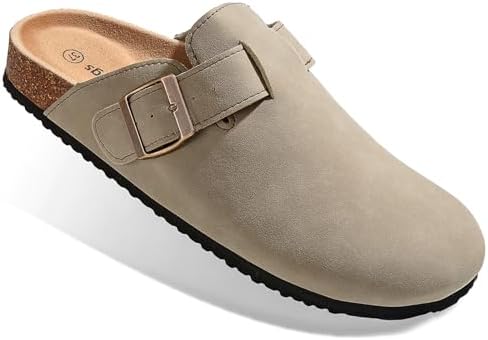
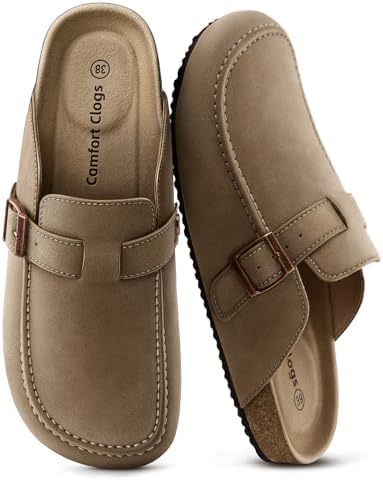
We shape cork into footbeds because the material gives under the weight of a step and stays compressed. Over several weeks of daily wear, the bed compresses where your heel and toes press down hardest, matching the underside of your foot. That set is permanent, which makes an old pair fit differently from a fresh pair right out of the box.
The trade is that cork reacts poorly when it gets completely soaked. Water swells the binder, and if the footbed dries out too quickly in direct sun or sitting on a hot radiator, the surface shrinks unevenly and develops visible cracks. We build clogs with cork because they stay mostly dry on solid ground.
Why memory foam handles rinse cycles
Memory foam behaves differently because it rebounds every time you lift your heel. It cushions the step while under load, but it does not take a permanent print of your foot after months of use. When you take the shoe off, the foam rises back to its original flat profile within a few seconds.
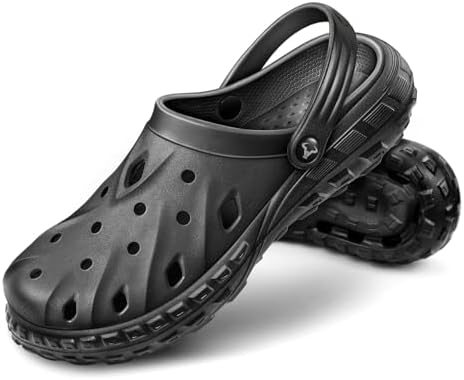
That open cell foam structure tolerates water far better than cork does. You can submerge our slides and water shoes in a creek or spray them off with a garden hose without splitting the material. They dry out at room temperature without the warping or surface cracking that ruins wet cork.
Matching the bed to wet ground
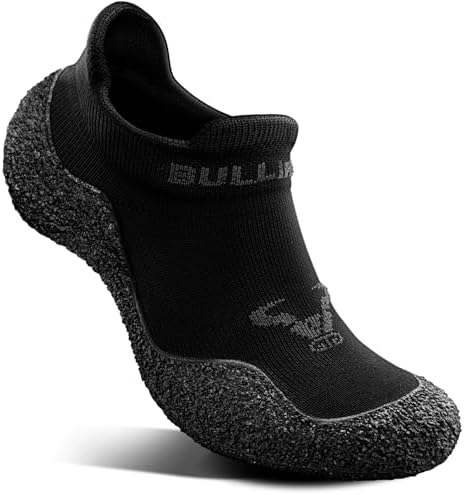
Across 16 colourways of clogs, slides and water shoes in our range, the upper matches what the footbed can survive. Water shoes and slide sandals carry memory foam because they are meant for river beds, poolside concrete and muddy wash stations where saturation is part of the day.
Our clogs rely on cork footbeds and belong indoors, on dry pavement or around a dry workbench. Wearing cork into heavy surf or leaving it wet on a back porch breaks down the structure. If your day involves standing in water, pick the foam base instead of the cork base every time.
Sizing across different base materials
Unlike our leather belts that we cut and mark by measured inches, these footbeds are sized by standard shoe size ladders. The fit feels snug on day one with cork and loosens as the bed packs down, while memory foam keeps the same internal volume through its entire working life.
Check your regular shoe size before choosing between the two footbed styles. A cork footbed that feels slightly firm on the first morning will settle under your stride, but a memory foam bed gives you all the vertical give it will ever have on the very first step.
Cork shapes itself to your stride but hates heat after a soaking, while memory foam bounces back and takes every rinse you throw at it.