Reversible
One strap, two sides: what reversible actually buys you
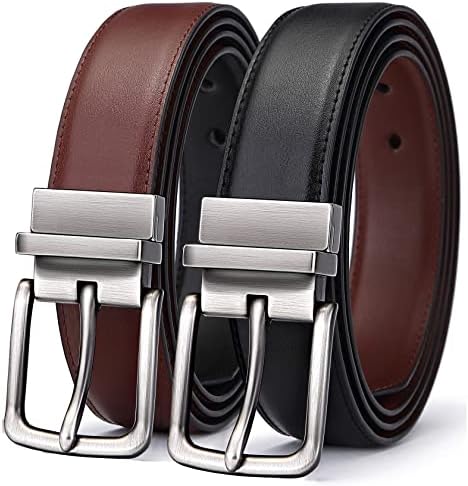
A reversible belt replaces two straps in a drawer with one rotating buckle, but asking a single strip of leather to serve two masters comes with plain mechanical trade-offs.
The mechanical cost of turning around
We build reversible belts by mounting the strap into a buckle that pulls and twists on a small hinge. That swivel lets you flip from black to brown in three seconds. It also introduces a mechanical joint where a standard prong buckle is just one solid loop of cast metal.
Any moving component eventually collects grit, loosens under daily torque, or shows slack over years of pull. If you want absolute permanence, a fixed single-piece buckle will always outlast a turning frame. We make both because some wardrobes require the compromise while others do not.
How two finished faces wear together
On a standard belt, the backside rests against your trousers while the front takes the scuffs. On a reversible strap, both faces are finished leather. When you switch sides, the leather that spent all week rubbing against your belt loops becomes the exterior face everyone sees.
7 of our belts are reversible, and we finish both sides to handle genuine rotation. Even so, the inner curve of a bent strap takes friction. Flipping it over exposes that friction immediately, meaning both colours age under the combined stress of outward display and inner wear.
Where this design earns its keep
The place where this design makes sense is inside a travel bag. Packing light means leaving extra bulk at home, and carrying one strap for two pairs of shoes saves real room. If you wear brown brogues by day and black shoes by night, the rotating buckle earns its place.
It also suits a minimal closet where two dedicated belts would simply hang untouched for months. You trade the absolute durability of a solid buckle for the utility of owning fewer items. For many people, that convenience outweighs the presence of a hinge.
When to keep your belts separate
If you dress at the same desk every morning, the math tilts in the other direction. Two dedicated belts give you two separate wear cycles, solid fixed hardware, and zero moving joints to consider. The straps rest between wears, and neither side takes hidden friction from the waistband.
We cut these straps for daily utility, but we will not pretend a reversible piece beats two dedicated single-colour belts at longevity. Buy the turning buckle if your luggage is cramped or your closet is lean, but keep them separate if you want raw hardware life.
Two colours on one strap save drawer space, but every swivel mechanism remains a moving part that asks for careful compromise.