Fastenings
A ratchet track against five punched holes
We make both styles in our shop, but the difference between five holes and a track of teeth comes down to how much room you give your waist between stops.
The math of the five punched holes
A traditional pin belt relies on a row of five punched holes spaced an inch apart. That spacing forces a compromise every morning, because a human waist changes size throughout the day while five rigid holes stay fixed. If your true waist sits between two punches, the strap is either too loose to hold your trousers up or tight enough to pinch.
The result is a leather strap that shows stretch marks and warped punch holes within a few months of daily wear. When you pull hard on a pin to reach the next hole, you distort the hide around that single point of contact.
How a track shifts the increment
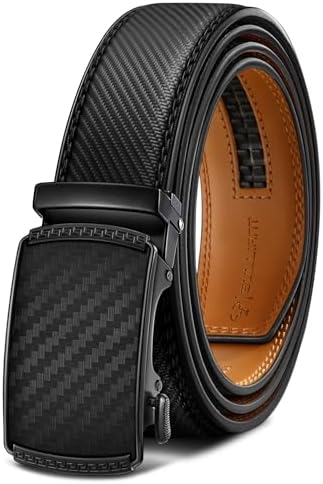
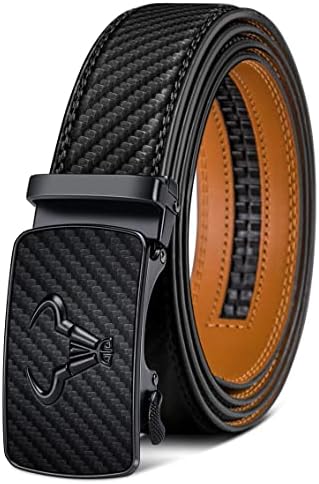
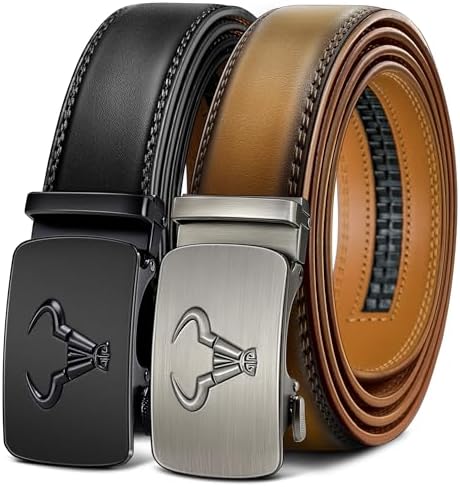
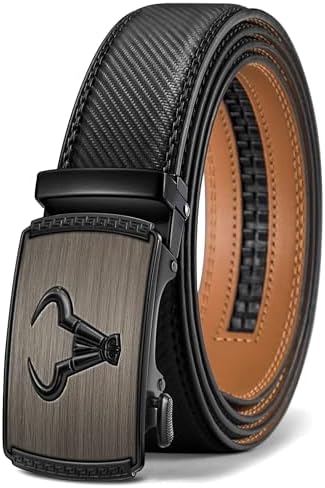
35 of our belts close on a ratchet track rather than a line of punched holes. Underneath the strap, we sew a track of teeth that catches inside the buckle at every quarter inch. That smaller jump means you have four distinct stopping points inside the span where a traditional belt offers only one.
The buckle grabs the teeth beneath the leather rather than pulling through a hole from the outside. The face of the strap remains smooth and free of stretch marks, because the pulling force spreads across the hidden track instead of tearing at raw punched edges.
What you give up for smaller steps
A ratchet buckle is a moving mechanism, and moving parts bring their own trade. The latch can feel fiddly if you expect the instant pull of an open pin, and the buckle will not take a standard prong strap if you ever want to swap parts with an older belt.
You also have to prepare the strap before you put it on. A ratchet strap arrives long and is cut down to length before first wear, which requires you to open the buckle clasp, trim the raw end, and seat the teeth back in place.
Keeping the buckle when the leather tires
Because the buckle clamps onto the tail of the leather with a hinged clasp, the buckle comes off the strap without tools or torn stitching. When the leather body eventually shows its age after years of friction, you do not have to discard the metal hardware alongside the hide.
You simply release the clasp, pull the tired strap away, and bite the buckle onto a fresh cut of leather. A punched belt usually stitches the pin buckle into a permanent loop, meaning worn leather takes the metal to the scrap heap with it.
A quarter inch track gives you a closer fit than five punched holes, provided you do not mind cutting the leather to size before you wear it.